The Integration of Augmented Reality in Shein’s Shopping Experience
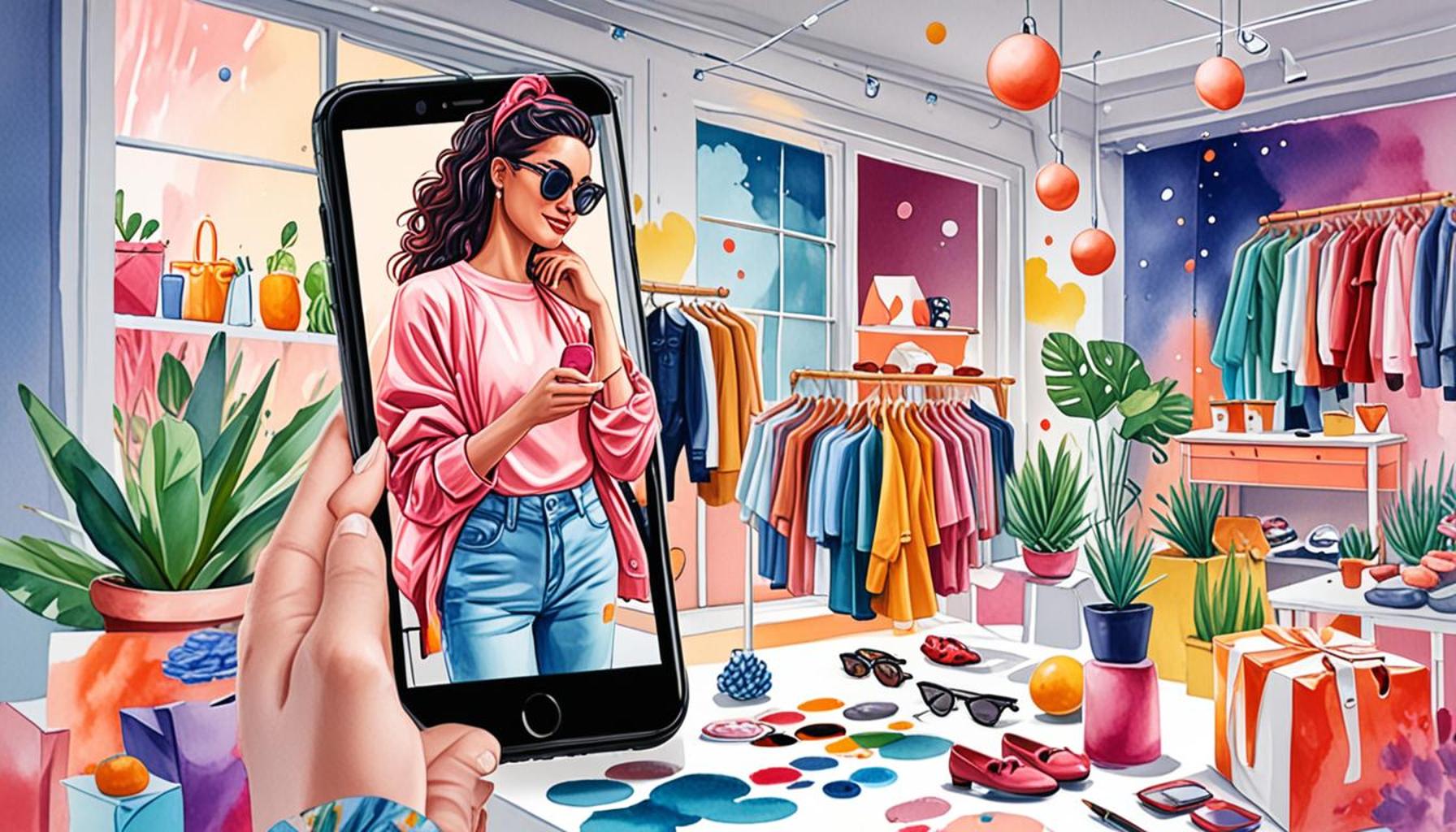
Revolutionizing Retail Experiences
Augmented reality (AR) is pushing the boundaries of traditional shopping, allowing consumers to engage with products in innovative ways that were once mere fantasies. This technology overlays digital information onto the real world, making the shopping experience both interactive and personal. With its rapid adoption by various industries, AR is setting new standards for customer engagement and satisfaction.
Leading the charge in this AR revolution is Shein, an agile and trend-savvy global fashion e-commerce powerhouse. Through the implementation of AR technology, Shein has empowered shoppers to transform their online retail experience remarkably. For instance, with the ability to visualize outfits, consumers can see how clothes will look on them without physically trying them on. This function, utilizing realistic 3D modeling, can reduce the sheer volume of returns, a major headache in online fashion retail.
Furthermore, virtual fitting rooms are reshaping how people shop for clothing. Shein’s AR technology allows customers to select items in different sizes and styles, virtually dressing themselves right from their living rooms. This convenience not only enhances the shopping experience but also builds consumer confidence as they make informed decisions based on accurate representations of how items will fit their body types.
In addition to fit and style, AR is enhancing product discovery. Shoppers can explore Shein’s vast inventory using AR features that animate products, allowing them to visualize how individual pieces can work together as outfits. For example, customers can point their smartphones at a pair of shoes to see how they would look with various outfits, helping them make cohesive choices.
This immersive approach is not only appealing but also expedites the decision-making process. With AR tools, Shein is not merely selling clothes; it is crafting a unique online experience that spurs excitement and builds a connection between consumers and the brand. The integration of AR leads to a less stressful shopping environment, significantly increasing customer satisfaction.
As technology continues to advance, grasping the implications of AR in retail will be essential for both consumers and businesses. The subsequent sections will explore how Shein’s utilization of AR is not just a fleeting trend but a transformative element in the shopping landscape, fundamentally altering consumer engagement in the ever-evolving fashion industry.
DISCOVER MORE: Click here to learn about the impact of influencer marketing on Shein’s sales
Transforming Customer Interaction
The integration of augmented reality (AR) in Shein’s shopping experience represents a groundbreaking shift in how consumers interact with fashion. By harnessing AR technology, Shein is bridging the gap between online shopping and in-store experiences, providing a platform where customers can interact with their products in a profoundly engaging manner. The appeal lies not only in the novelty of technology but also in the tangible benefits it offers to consumers drawn to fashion-forward trends.
One of the most promising aspects of Shein’s use of AR is the enhanced virtual fitting experience. Shoppers can access a variety of tools that facilitate the virtual try-on of items. For instance, by simply using their smartphones or tablets, consumers can visualize how a dress, jacket, or pair of jeans would look on them without ever stepping into a fitting room. According to reports, this capability could dramatically decrease return rates, which, in the online clothing sector, hover around an unsettling 30%. Reducing these figures not only saves Shein money but also strengthens consumer trust and loyalty.
Furthermore, the application of AR extends beyond mere try-ons; it fosters a deeper understanding of the product. Customers are empowered to examine intricate details such as fabric texture and color accuracy with the help of detailed virtual models. This feature eliminates the uncertainty often associated with online shopping, thereby enhancing the confidence customers feel when making a purchase.
Exploring Outfit Combinations
Another exciting element of Shein’s AR integration is the way it changes the approach to outfit discovery. Customers can utilize AR tools to mix and match clothing and accessories, creating unique ensembles tailored to their personal styles. Some noteworthy features include:
- Interactive product displays: Shoppers can engage with 3D representations of outfits, rotating and viewing them from multiple angles.
- Style recommendations: The AR system provides suggestions based on the user’s preferences, allowing for a more personalized shopping experience.
- Social sharing: Customers can easily share their virtual outfits with friends on social media platforms, garnering feedback before making their final purchase.
This seamless interaction not only enhances customer satisfaction but also promotes a sense of community among users. By integrating AR technology, Shein is not just selling clothing; it is creating a platform that encourages creativity and self-expression. As a result, customers are more likely to make repeat purchases when they feel connected to both the products and the brand’s identity.
In summary, the fusion of AR technology into Shein’s shopping experience sheds light on the potential to revolutionize how fashion is explored and purchased. As consumers grow accustomed to these technologies, it will be interesting to observe how other retailers adapt to not only meet expectations but also to innovate further. The intersection of fashion and technology in this manner marks a significant milestone in retail that could redefine the future of shopping.
The Integration of Augmented Reality in Shein’s Shopping Experience
As the retail landscape evolves, Shein has seamlessly adopted augmented reality (AR) to enhance its shopping experience, captivating users like never before. By integrating AR into its platform, Shein has transformed traditional online shopping into an interactive journey where customers can visualize clothing items in real-time.
The AR feature implemented by Shein allows shoppers to virtually try on clothes. Users can see how an outfit will look on them, reducing uncertainty about fit and style. This innovative approach not only heightens consumer engagement but also diminishes the chances of returns, a persistent challenge in e-commerce.
Furthermore, the interactive features powered by AR help customers explore new fashion trends dynamically. Shein’s users can mix and match various styles, leading to a personalized shopping experience tailored to individual preferences.
| Category | Advantages of AR in Shopping |
|---|---|
| Enhanced Visualization | Shoppers can see how garments fit and look in real-time, increasing confidence in decision-making. |
| Reduced Returns | By trying clothes virtually, customers are less likely to return items, benefiting both the retailer and shoppers. |
In addition, the marked ability for consumers to share their AR experiences on social media platforms enhances brand visibility. Users participating in AR activities generate organic buzz around Shein’s offerings, translating to increased traffic and sales. This strategic move positions Shein not only as a fashion retailer but also as a tech-savvy brand appealing to the modern consumer.
As the integration of AR technology expands, Shein continues to innovate, leveraging data analytics to refine its user interface further and enhance overall customer satisfaction.
DISCOVER MORE: Click here to learn how to manage your Shein orders effortlessly
Enhancing Consumer Decision-Making
The integration of augmented reality (AR) into Shein’s shopping experience doesn’t just enrich the interaction; it also transforms the way consumers make decisions. Shopping for clothes online can often feel overwhelming due to the extensive options available. Shein’s AR technology simplifies this process by offering consumers various utilities designed to enhance their decision-making capabilities. One key feature includes size recommendations that adapt in real-time. By utilizing user-uploaded measurements and advanced algorithms, Shein’s AR system can suggest the most suitable sizes for each product, significantly increasing the chances of a successful fit.
This innovation addresses one of the most common pain points in online shopping—size variation among different brands. With varied sizing charts and inconsistent fit across different items, customers frequently experience frustration. Shein aims to alleviate these concerns through AR, which provides a more personalized touch by taking into account individual body shapes and types. Reports indicate that implementing such size prediction technology could see a reduction in size-related returns, mirroring a trend observed in similar retail initiatives. As a result, customers experience less anxiety regarding fit while enjoying an empowered shopping journey.
Bridging the Gap with Virtual Showcase Events
Another exciting application of AR in Shein’s marketing strategy includes virtual showcase events. These events allow customers to experience fashion shows and product launches as if they were physically present. In an era where social distancing has reshaped how we view retail environments, Shein’s AR-enhanced events create an immersive experience that brings the spectacle of fashion directly to consumers’ living rooms.
- 3D runway displays: Users can virtually attend fashion shows featuring the latest collections, with models showcasing garments in real time.
- Product access: Following the showcase, interested customers can explore and immediately shop the featured items through dynamic links embedded in the AR experience.
- Interactive elements: Viewers may engage through live polls and feedback mechanisms, creating a more participative atmosphere often missed in traditional retail.
These virtual events are drawing attention, not only for their innovative format but also for their potential to boost sales. According to recent data, brands leveraging AR experiences for product launches have seen up to a 70% increase in engagement rates. Shein’s strategy resonates well with younger consumers—particularly Gen Z and Millennials, who value experiences as much as the products themselves. This integration of AR not only helps Shein stand out in an ultra-competitive market but also establishes a new standard for entertainment in online shopping.
Creating a personalized shopping ecosystem
The influence of AR reaches beyond novel experiences; it is creating a personalized shopping ecosystem unique to each consumer. Shein’s AR system learns user preferences over time, utilizing machine learning algorithms to offer tailored recommendations based on past behaviors and choices. Such detail results in a shopping journey that feels bespoke—a treasure trove of curated fashion options that resonate with individual styles.
This level of personalization is becoming increasingly essential in the digital age, where consumers often feel overwhelmed by choices. Brands that can deliver individualized experiences stand to gain a substantial competitive edge. Recent studies highlight that 80% of consumers are more likely to make a purchase when provided with a personalized experience. As Shein continues to refine its AR capabilities, it is poised to not only enhance the consumer shopping experience but also solidify customer loyalty in an ever-evolving retail landscape.
DISCOVER MORE: Click here to enhance your order management skills
Conclusion
The integration of augmented reality into Shein’s shopping experience is not merely a trend; it represents a significant shift in the way consumers interact with fashion retail. By utilizing cutting-edge AR technology, Shein has successfully enhanced consumer decision-making through unprecedented size recommendations and personalized shopping journeys. Customers are empowered to make informed choices, minimizing the frustration often associated with online shopping, particularly regarding fit and sizing.
Moreover, the introduction of virtual showcase events adds a layer of engagement that captivates the audience and merges entertainment with shopping. By allowing consumers to participate in immersive fashion shows from the comfort of their homes, Shein effectively strengthens its connection with tech-savvy customers, particularly Millennials and Gen Z, who prioritize experiential interactions. This strategy not only enhances user engagement but is also likely to drive significant sales increases.
As Shein continues to refine its AR capabilities and learn from consumer behaviors, it is carving out a personalized shopping ecosystem that aligns with the needs and preferences of its audience. Such a tailored experience is vital in fostering brand loyalty, especially as personalization becomes increasingly essential in today’s digital marketplace. The implications of Shein’s AR integration suggest a promising future for online retail, where innovation meets consumer satisfaction, transforming the shopping experience into something far more engaging and interactive.
In conclusion, Shein is setting a benchmark in the fashion industry, paving the way for a revolutionary shopping experience that not only captivates the imagination but also aligns with the evolving expectations of modern consumers. For those interested in the future of retail, Shein’s innovative use of augmented reality offers valuable insights into how technology can redefine the shopping landscape. As this integration evolves, industry observers should closely monitor its impact on consumer behavior and market trends.
Related posts:
The Impact of Artificial Intelligence on Shein's Fashion Strategies
The Revolution of Augmented Reality in Shein's Online Shopping Experience
Sustainability and Digital Innovation: How Shein Is Transforming Fast Fashion
The E-commerce Revolution: Emerging Technologies Shaping the Future of Shein
How Shein Is Integrating Blockchain Technologies to Ensure Transparency and Authenticity in Its Prod...
Sustainability and Innovation: How Shein is Transforming the Digital Fashion Industry

Linda Carter is a writer and financial expert specializing in personal finance and financial planning. With extensive experience helping individuals achieve financial stability and make informed decisions, Linda shares her knowledge on our platform. Her goal is to empower readers with practical advice and strategies for financial success.