The Influence of the Internet of Things (IoT) on User Experience in Digital Events
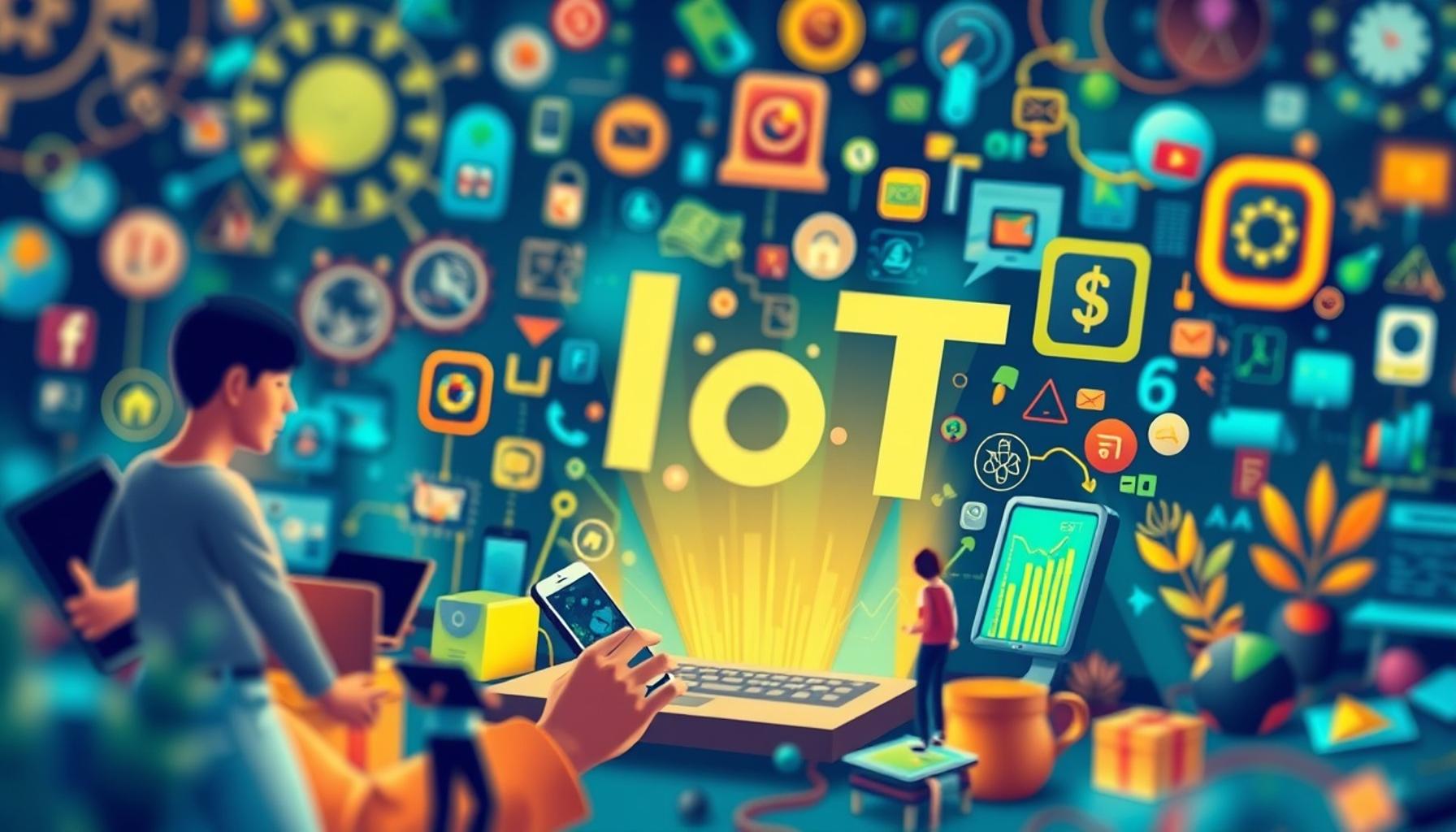
Transforming Engagement Through IoT in Digital Events
The evolution of technology has brought forth remarkable changes in the way we engage with digital events. One of the most significant advancements is the integration of the Internet of Things (IoT), which has revolutionized user interaction by connecting ordinary devices to the internet. This interconnectedness enriches user experiences, leading to highly innovative solutions that enhance both engagement and accessibility.
Real-Time Data Collection
Real-time data collection is one of the standout features of IoT in digital events. It enables event organizers to gather immediate feedback from participants through various channels, such as digital polls or surveys integrated into event apps. For instance, if a speaker is presenting, attendees can use their smartphones to rate the session in real-time. This data allows organizers to make swift adjustments, enhancing the quality of ongoing presentations and the overall event experience.
Personalized Experiences
Another significant benefit of IoT is its ability to create personalized experiences. By analyzing user behavior and preferences, organizers can tailor content to suit individual needs. For example, if an attendee frequently engages with sessions related to technology, the event’s app can recommend similar talks, helping users discover content that aligns with their interests. This level of customization not only increases user satisfaction but also fosters a more interactive and engaging atmosphere during the event.
Accessibility Enhancements
IoT also plays a vital role in accessibility enhancements, ensuring wider participation across diverse audiences, including those with disabilities. Features like real-time captioning or sign language interpreters, which can be seamlessly integrated into digital platforms, can greatly improve the experience for hard-of-hearing individuals. Moreover, IoT devices can allow users to adjust settings according to their specific needs, ensuring that no one is left behind in today’s tech-driven world.
Seamless Interactions
The implementation of IoT facilitates seamless interactions between attendees and event organizers. For instance, smart badges equipped with RFID technology can track movements and interactions, giving event planners valuable insights into engagement levels and preferences. Additionally, interactive displays can respond in real-time to audience reactions, adjusting content dynamically to maintain a high energy level and keep participants captivated.
As we explore the profound impact of IoT on digital events, it becomes clear that these innovations are reshaping user experiences in extraordinary ways. By understanding how IoT can enhance engagement and accessibility, event planners can leverage technology to create memorable and impactful gatherings that resonate with attendees long after the event has concluded.
DIVE DEEPER: Click here to learn more about consumer personalization</a
Enhancing User Engagement with IoT Technology
The implementation of the Internet of Things (IoT) in digital events is not just a passing trend; it marks a profound transformation in how participants engage with content and each other. Through interconnected devices, event planners are empowered to create environments that are more responsive to attendee needs, ultimately fostering deeper connections and richer experiences. Let’s delve into some key aspects of how IoT enhances user engagement during these virtual gatherings.
Interactive Content Delivery
One of the most exciting facets of IoT is its ability to facilitate interactive content delivery. Using IoT-enabled platforms, organizers can implement features that allow for real-time interaction between speakers and attendees. For example, consider a webinar where participants can ask questions or submit comments directly through their devices. These messages can then be displayed on a live feed, giving speakers instant feedback and the ability to address audience inquiries on the spot. This interaction not only keeps attendees engaged but also allows them to feel more involved in the conversation.
Dynamic Event Adjustments
With the help of IoT, event organizers can make dynamic adjustments to the event as it unfolds. By utilizing analytics and data tracking, planners can identify which sessions are drawing the most interest. Suppose a particular workshop on “Innovations in Renewable Energy” is receiving unexpectedly high engagement. In that case, organizers can extend its duration or allocate resources to enhance its visibility, ensuring that more participants can benefit from the content. This agile response enhances satisfaction and maximizes the value of the event.
Gamification Elements
Incorporating gamification elements is another effective strategy made possible through IoT. Event organizers can craft games or challenges that motivate attendees to interact more with the event programming. For instance, participants could earn points or badges for networking with other attendees or engaging with specific content. Such incentives not only drive engagement but also encourage collaboration and networking among peers. By incentivizing participation, organizers can create a vibrant community atmosphere where attendees feel more invested in the events.
Networking Opportunities
IoT significantly enhances networking opportunities, a crucial component of any successful digital event. Smart applications can match attendees based on their interests and professional backgrounds, facilitating meaningful connections. For instance, an attendee interested in digital marketing strategies might be paired with others from similar industries, enabling fruitful discussions. Additionally, event apps can schedule quick “meet and greet” sessions, where individuals can connect directly, breaking down barriers that usually exist in traditional networking situations.
As we dive deeper into the influence of IoT on user experiences in digital events, it becomes clear that this technology is not just about making events more efficient. It’s about creating a rich tapestry of engagement, personalization, and connection that can leave a lasting impression on attendees. In a landscape where virtual interactions are increasingly dominant, harnessing the full potential of IoT is essential for those who wish to craft unforgettable experiences.
DISCOVER: Click here to learn more about how social media influences buying choices
Personalization Through IoT Integration
The personalization aspect of experiences at digital events has been significantly enhanced by the integration of IoT technologies. Attendees today can expect tailored experiences that speak directly to their interests and preferences. For instance, advanced sensor technology can track user interactions and behaviors during an event. This data can be analyzed to provide personalized content recommendations for sessions, workshops, or networking opportunities. Imagine attending a virtual conference where, based on your previous interactions, you receive notifications about sessions that align closely with your professional goals or interests. This level of personalization not only increases engagement but also ensures that participants are obtaining the most value from their attendance.
Enhanced Access to Live Data
Accessing live data during digital events is another area where IoT dramatically impacts user experience. With IoT-connected devices, event organizers can relay real-time statistics and insights regarding audience participation and engagement levels. This information empowers attendees to make informed decisions about which sessions to attend or how they might contribute to discussions. For example, if an attendee observes that a particular topic is generating exceptional interest, they might choose to pivot their schedule to participate in related discussions. Access to live data promotes a more flexible and enriching event experience.
Smart Venue Features
IoT extends beyond individual devices to encompass the entire venue features utilized during digital events. Virtual platforms can simulate environments that replicate the functionality of real-world venues, with elements like inviting lounges, interactive booths, or even virtual coffee breaks. For instance, using virtual reality (VR) tied with IoT, attendees can immerse themselves in digital showrooms where they can interact with products and services being showcased. This not only makes the experience more engaging but also helps in building a connection between the audience and the offerings being presented.
Security and Privacy Considerations
An essential facet often overlooked when discussing the influence of IoT on digital events is the aspect of security and privacy. With increased connectivity comes the responsibility to protect attendee data. IoT devices can be vulnerable to breaches; thus, organizers must ensure that they implement robust security measures. For example, using encrypted connections and secure data storage can safeguard sensitive information. Transparent communication about how attendee data will be used can also enhance trust, which is crucial for maintaining a strong relationship with participants. Ensuring security measures are in place fosters a safer environment where attendees can focus on engagement without apprehension about data privacy.
Future-Ready Experiences
Looking ahead, the role of IoT in digital events is poised to expand, creating even more future-ready experiences. As technology continues to evolve, integrating artificial intelligence (AI) with IoT can offer predictive analytics, identifying trends and audience needs before they emerge. This proactive approach can lead to more engaging event formats and even more personalized experiences for participants. By anticipating the interests and behaviors of attendees, event planners can create agendas that resonate more deeply—ultimately leading to a more impactful event.
The seamless integration of IoT technologies in digital events opens a world of possibilities, transforming the traditional landscape into dynamic and engaging environments. By focusing on personalization, leveraging live data, enhancing venue features, prioritizing security, and anticipating future needs, event organizers can create unforgettable experiences that keep attendees coming back for more.
DIVE DEEPER: Click here to learn more
Conclusion
In conclusion, the impact of the Internet of Things (IoT) on user experience in digital events is profound and multifaceted, paving the way for more interactive, engaging, and personalized experiences. As seen through enhancements in personalization, access to live data, and smart venue features, IoT allows organizers to tailor events to better meet the needs of attendees. For instance, the ability to receive real-time updates on session popularity not only informs participant choices but also encourages active engagement in discussions that matter most to them.
Moreover, a robust emphasis on security and privacy ensures that while attendee data is being utilized to enhance experiences, their trust and safety remain paramount. This balance is vital for fostering a conducive environment where participants can immerse themselves fully in the event without concerns about their data being compromised.
Looking towards the future, the collaboration of IoT with evolving technologies like artificial intelligence suggests a significant leap in enhancing attendee experiences. By leveraging predictive analytics and detecting emerging trends, event organizers can curate experiences that not only resonate deeply with their audience but also anticipate their needs even before they arise.
As the landscape of digital events continues to evolve, the symbiotic relationship between IoT and user experience will remain at the forefront of innovation, ensuring that events are not just attended, but truly experienced. Embracing these advancements will enrich the digital landscape, making events more memorable, impactful, and ultimately, more successful.

Linda Carter
Linda Carter is a writer and expert known for producing clear, engaging, and easy-to-understand content. With solid experience guiding people in achieving their goals, she shares valuable insights and practical guidance. Her mission is to support readers in making informed choices and achieving significant progress.