The Impact of Blockchain Technologies on Transparency and Traceability in Shein’s Supply Chain
Understanding Blockchain in Supply Chains
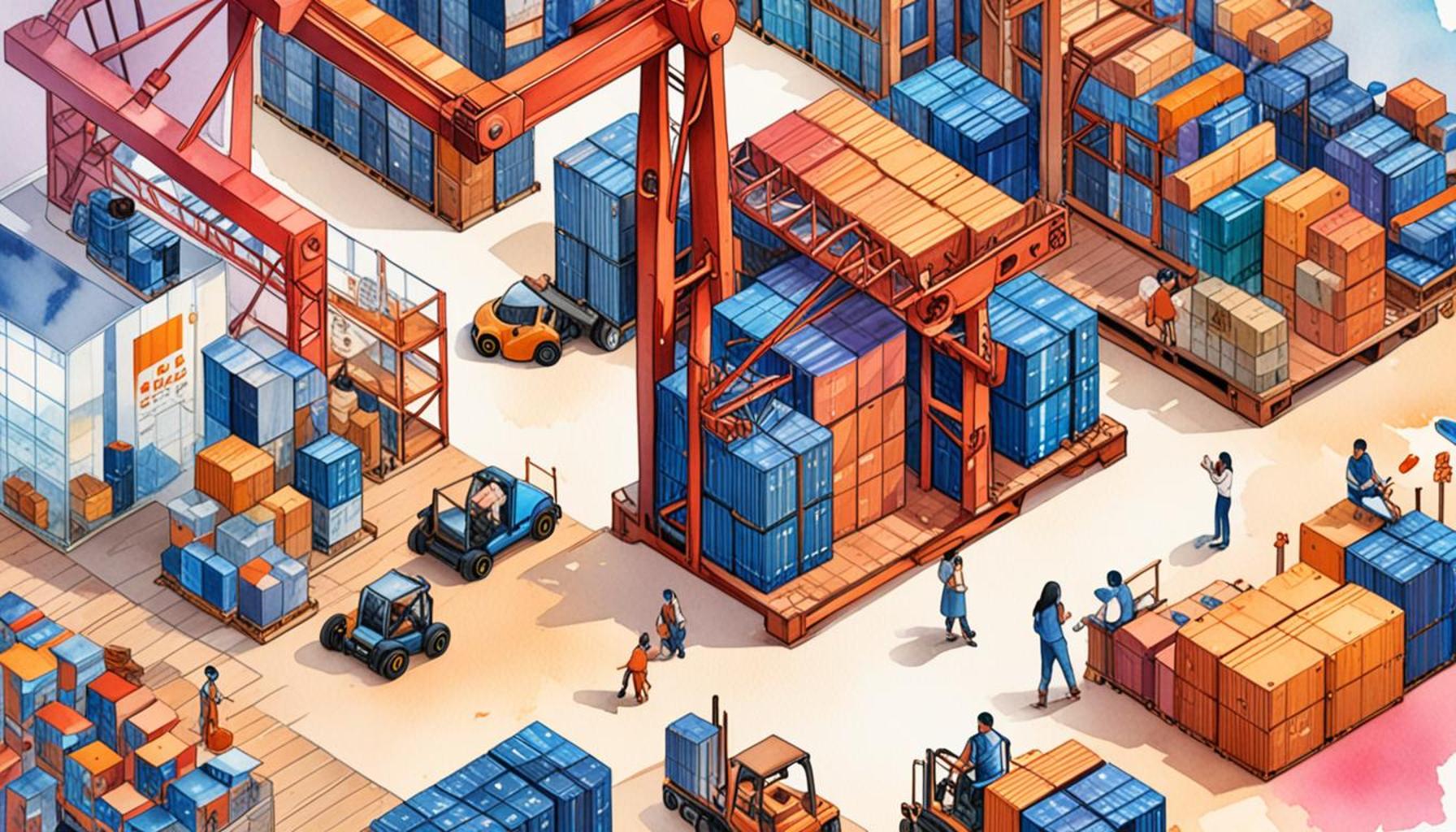
The advent of blockchain technologies represents a significant turning point for the landscape of business, particularly in enhancing transparency and traceability within supply chains. This technological innovation is essential for retailers like Shein, a prominent player in the fast-fashion industry, which has faced increasing scrutiny regarding its manufacturing processes and ethical practices.
Consumer Demand for Transparency
Today, consumers are more informed than ever before, making purchasing decisions influenced by factors such as sustainability, ethical sourcing, and corporate responsibility. This trend is particularly evident in the fashion industry, where a growing segment of the audience seeks clarity about where and how their clothing is produced. Retailers that prioritize these values stand to not only thrive but also earn consumer loyalty.
Key Benefits of Blockchain Technology
Blockchain technology offers several transformative benefits that can dramatically enhance supply chain practices:
- Immutable Records: Every transaction recorded on a blockchain is time-stamped and irreversible, significantly reducing the likelihood of fraud. This permanence fosters a culture of accountability, compelling companies to maintain high ethical standards throughout their supply chains.
- Real-Time Tracking: With blockchain, stakeholders can trace a product’s journey from raw materials to the end consumer. For instance, a customer could scan a QR code on a garment to learn about its origin, the production methods used, and the materials involved, fostering a deeper connection with the brand.
- Consumer Engagement: An engaged customer is a loyal customer. By utilizing blockchain, companies can directly share information about their products—including sustainability practices and ethical labor conditions—with consumers, empowering them to make informed buying decisions.
Shein’s Opportunity for Transformation
Amid growing concerns over fast fashion’s environmental impact and labor practices, Shein finds itself at a crucial juncture. By adopting blockchain technology, the company can bolster its reputation and operational integrity. For example, within the U.S., ethical consumerism is on the rise, with a significant portion of buyers—estimated to be over 70%—willing to pay more for sustainable products. By implementing solutions that enhance transparency and traceability, Shein could not only mitigate negative scrutiny but also align with consumer values.
As we continue to navigate the evolution of blockchain technology in retail, it becomes increasingly apparent that its impact on the fashion industry could be profound. Retailers have an unprecedented opportunity to reshape their supply chains in a way that meets consumer expectations while contributing positively to the planet and society. This shift is not just about adopting new technology; it’s about redefining the relationship between brands and consumers in a way that prioritizes transparency and accountability.
DIVE DEEPER: Click here to learn about influencer marketing’s impact
Blockchain Revolutionizing Transparency in Fashion
The integration of blockchain technology into supply chains is setting the stage for a new era in fashion, especially for companies like Shein that operate under intense scrutiny. By enhancing transparency, blockchain solutions promise to shed light on the often opaque practices endemic to the fast-fashion industry. This shift not only addresses consumer concerns but also provides a competitive advantage in a market increasingly driven by ethical considerations.
Empowering Stakeholders Through Accessible Data
One of the crucial aspects of blockchain technology is its ability to securely store and share information across multiple stakeholders in the supply chain. This feature ensures that every party—from manufacturers to retailers, and ultimately the consumers—can access reliable data regarding products. By leveraging blockchain, Shein can enhance its supply chain operations in several significant ways:
- Transparency in Sourcing: Blockchain enables Shein to provide detailed information about its raw materials, including their origin and the suppliers involved. This level of transparency can help dispel concerns about unethical sourcing practices and environmental degradation.
- Verification of Labor Practices: With blockchain, the company can document labor conditions and adherence to ethical labor standards. This verification process can help assure consumers that their clothing is produced in safe environments with fair wages.
- Reduction of Supply Chain Errors: By utilizing smart contracts—self-executing contracts with the terms of the agreement directly written into code—Shein can minimize human errors in order processing and supply chain logistics. This enhanced accuracy can streamline operations, reducing waste and inefficiencies.
Building Consumer Trust
In an era where consumer skepticism is prevalent, especially regarding fast-fashion retailers, Shein has a unique opportunity to leverage blockchain as a foundation for building trust. With over 70% of American consumers favoring brands that demonstrate transparency in their supply chains, the timing is perfect for Shein to adopt these technologies. By allowing customers to access verified information about their purchases, the company can help reinforce a sense of integrity and responsibility. The flow of information through blockchain can act as a bridge, connecting the consumer’s desire for ethical practices with Shein’s operational frameworks.
Moreover, the increasing prevalence of social media and digital platforms amplifies the need for brands to maintain transparency. As consumers share their experiences and insights online, brands that fail to uphold transparency risk damage to their reputation. With blockchain, Shein can not only protect its brand integrity but also engage in proactive consumer education about sustainable practices and the realities of fast fashion.
Challenges and Future Directions
While the benefits of blockchain are compelling, Shein must also navigate the challenges that accompany implementation. Integrating a complex technological framework within an existing supply chain requires robust training for stakeholders, significant investment, and a commitment to ongoing maintenance and updates. However, the potential payoffs in terms of enhanced reputation and consumer loyalty make blockchain a worthwhile pursuit.
As the fashion industry embraces innovation, the role of blockchain technology continues to gain momentum. For Shein, this transformative shift not only opens new avenues for operational excellence but aligns the brand closer to the evolving expectations of socially conscious consumers.
The integration of blockchain technology into Shein’s supply chain has significant implications for enhancing transparency and traceability. By implementing a decentralized ledger system, Shein can provide real-time access to information regarding the origin of its products. This means that customers can trace the journey of their clothing items from initial production to the final sale. Not only does this foster trust between the brand and its consumers, but it also reflects a commitment to ethical practices within the fashion industry.
One of the most compelling benefits of blockchain is its ability to ensure data integrity. With every transaction or movement recorded on the blockchain, there is a tamper-proof record that can be accessed and verified by any party involved in the supply chain. This addresses concerns about counterfeit goods and promotes confidence in the authenticity of products. Moreover, it creates a transparent system where manufacturers, suppliers, and retailers are held accountable for their actions.
| Category | Benefits |
|---|---|
| Transparency | Consumers have access to product origin and production practices. |
| Traceability | Each product’s journey is recorded, ensuring authenticity and preventing counterfeiting. |
Furthermore, this transparent approach assists brand reputation by showcasing a commitment to sustainability and ethical practices. Retailers who leverage blockchain provide a detailed account of their sourcing, further appealing to eco-conscious consumers. The widespread adoption of blockchain technology in Shein’s supply chain could set a new standard in the fashion industry, influencing competitors and encouraging a shift towards more responsible practices.
DIVE DEEPER: Click here to discover more
Strengthening Traceability and Accountability
In addition to transparency, blockchain technology also significantly enhances traceability within Shein’s supply chain. Traceability refers to the ability to track and verify the history of a product from its origin through every stage of production, distribution, and sale. This capability can play a crucial role in managing the complexities associated with fast fashion, where products can change hands multiple times across different countries and manufacturers.
Real-Time Tracking of Products
Blockchain’s decentralized ledger technology enables real-time tracking of products. Each item generated within the supply chain can have its own unique digital identity recorded on the blockchain. This means that when a consumer purchases a Shein product, they can access precise details about the product’s journey—from the farm where the cotton was harvested to the factory where it was sewn, and finally to the store or fulfillment center from which it was delivered. Such in-depth visibility can vastly enhance the consumer experience, as buyers are increasingly looking for authentic connections to their purchases.
Verification in Sustainability Efforts
Moreover, as sustainability becomes a driving force in consumer purchasing decisions, blockchain assists Shein in verifying claims about its environmental practices. With the capacity to provide data on the resources consumed, emissions produced, and the lifecycle of a product, companies can validate their sustainability initiatives. For instance, by showcasing that their products are made from recycled materials or produced with less water and energy, Shein can substantiate its commitments to environmental stewardship through the verified data stored on the blockchain.
Combatting Counterfeit and Fraudulent Products
An unintended consequence of the fashion industry’s rapid production cycles is the proliferation of counterfeit goods. Blockchain’s unique and immutable records can assist in combating this issue by allowing consumers to verify the authenticity of their purchases. By checking the blockchain ledger, Shein customers can confirm that the items they are buying are genuine, thus protecting both consumers and the brand’s integrity. This strategy not only reinforces customer trust but also curtails the economic losses attributed to counterfeit merchandise.
Empowering Ethical Consumerism
The rise of blockchain technology is also fostering a new model of ethical consumerism. As consumers increasingly demand accountability and sustainability, they are more likely to support brands that provide verifiable information about their products. The accessibility of detailed sourcing and labor practices can enable consumers to make informed choices that resonate with their values. This shift has the potential to not only influence Shein’s market position but also ignite broader changes within the fast fashion sector.
Education and Engagement through Technology
Furthermore, Shein can leverage blockchain technology to not just inform but to educate their customers. Engaging storytelling through traceable data can create a more profound connection between consumers and the product, providing insights into how individual purchases align with larger social and environmental principles. This educational component can enhance customer loyalty and strengthen Shein’s brand reputation.
As blockchain technology continues to evolve, its implementation in the fashion industry appears poised to offer unprecedented benefits in terms of transparency and traceability. For a fast-fashion giant like Shein, embracing these advancements could be pivotal in redefining its operational integrity and aligning its practices with the growing demand for responsible consumption in the United States and beyond.
DIVE DEEPER: Click here to discover more insights
Conclusion
In an age where consumers are increasingly conscious of their purchasing decisions, the integration of blockchain technology into Shein’s supply chain represents a promising shift toward greater transparency and traceability. As we have explored, blockchain not only allows for the meticulous tracking of products from their inception to the point of sale but also plays a pivotal role in reinforcing sustainability claims, combating counterfeits, and fostering ethical consumerism.
By leveraging this innovative technology, Shein can provide consumers with authentic insights into the journeys of their garments, thereby enhancing the overall shopping experience. Moreover, the ability to offer verified information about sourcing and production practices is aligned with the increasing demand for responsible buying, incentivizing consumers to choose brands that resonate with their values.
As Shein embraces these advancements, the potential to reshape its operational integrity is significant. The company stands at the forefront of a potential transformation in the fast fashion industry, paving the way for a new standard that prioritizes accountability and ethical practices. This integration of blockchain not only meets a growing consumer need but can also bolster Shein’s reputation in an increasingly competitive market.
In essence, the impact of blockchain on Shein’s supply chain serves as a compelling case study for the entire fashion industry. It poses essential questions about how technology can drive change, influence consumer behavior, and redefine traditional production models. As stakeholders—including brands, consumers, and regulators—reconsider the implications of their choices, blockchain may very well be the key to an empowered and informed future in fashion.

Linda Carter
Linda Carter is a writer and expert known for producing clear, engaging, and easy-to-understand content. With solid experience guiding people in achieving their goals, she shares valuable insights and practical guidance. Her mission is to support readers in making informed choices and achieving significant progress.