Analysis of Shein’s logistics and distribution practices for e-commerce optimization
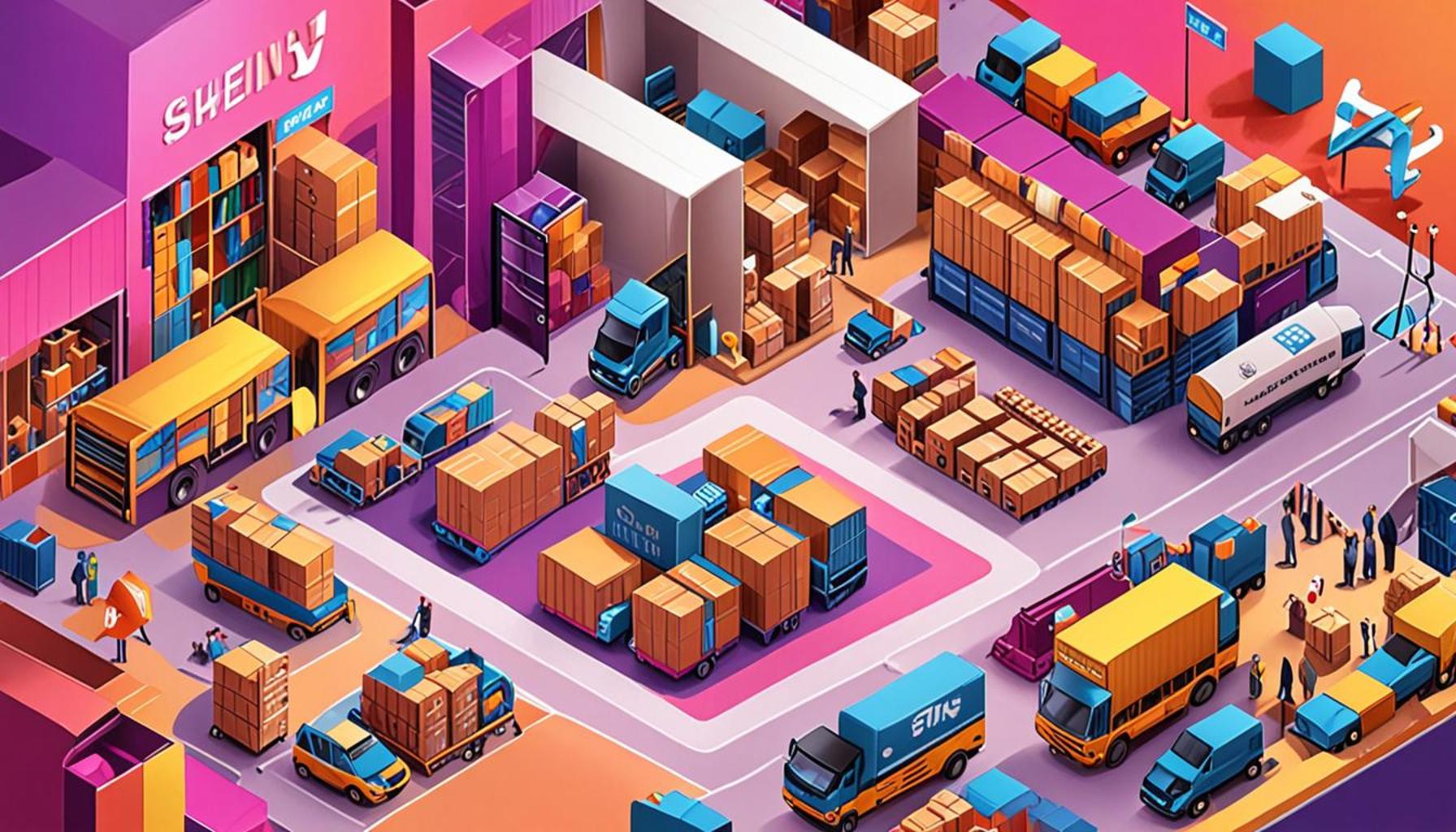
Understanding Shein’s Logistics Framework
In the competitive arena of e-commerce, logistics and distribution practices can be the decisive factors that dictate a company’s market success. Shein, a behemoth in the fast-fashion sector, has ingeniously navigated these challenges, establishing a benchmark for speed and reliability in apparel delivery. By redefining customer expectations, Shein not only amplifies operational efficiency but also significantly boosts customer satisfaction.
At the heart of Shein’s logistics strategy are several key elements that distinguish it from competitors. One such element is an agile supply chain. Unlike traditional models that often experience delays from design to distribution, Shein adopts a responsive approach. Their ability to transform design concepts into finalized products within a matter of weeks, often responding to real-time fashion trends, is a game-changer. For instance, during the pandemic, Shein swiftly adapted to the rising demand for comfortable and home-friendly clothing, demonstrating their capacity to pivot quickly based on consumer needs.
- Data-Driven Decisions: Utilizing advanced data analytics to forecast trends plays a vital role in Shein’s success. By analyzing consumer behavior and purchase patterns, Shein can effectively manage inventory levels, reducing the risk of overstock while ensuring that popular items are always available. This data-centric approach minimizes waste and enhances profitability.
- Global Warehousing: With multiple distribution centers strategically positioned around the globe, Shein optimizes delivery times across various regions. This not only expedites shipping but also lowers costs associated with logistics operations. For customers in the United States, this means receiving orders in as little as a week, which is impressive in the fast-paced e-commerce landscape.
These logistics components not only fortify Shein’s remarkable market presence but also serve as a case study for emerging e-commerce businesses seeking to refine their operational strategies. As the landscape of digital commerce evolves, delving into Shein’s unique logistics strategies provides essential insights for achieving efficiency in a competitive market.
Exploring the Impacts
By dissecting Shein’s operational practices, we gain valuable perspectives on how logistics optimization can significantly lower operational costs while fostering customer loyalty. The enhanced ability to meet consumer demands quickly has not only propelled Shein to the forefront of the fast-fashion industry but has also reshaped consumer behavior. Customers increasingly expect quick delivery times and a seamless shopping experience, and Shein’s logistics framework serves as a template for others striving to compete at this level.
As Shein continues to dominate the market, their logistical innovations may influence broader trends in e-commerce, prompting other businesses to refine their practices. The dynamics of Shein’s logistical strategies offer a fascinating glimpse into the future of online shopping, urging stakeholders to investigate how such models can be adapted for their unique contexts.
DON’T MISS: Click here to dive deeper
Understanding Shein’s Logistics and Distribution Practices
Shein has rapidly emerged as a leading player in the global e-commerce fashion market, primarily through its innovative logistics and distribution strategies. A key player in this operational success is the company’s just-in-time delivery system, which has revolutionized traditional retail models. This system facilitates meticulous coordination of production and shipping schedules, thereby significantly minimizing idle inventory and maximizing turnover rates. For instance, if a particular style begins to trend, Shein can swiftly divert resources to ramp up production, ensuring that consumer demand is met promptly without any surplus stock lingering in warehouses. This agility not only enhances service quality but also ensures that customers receive the latest trends without unnecessary delays.
Moreover, Shein is aware of the increasing consumer advocacy for environmental responsibility, which has led it to prioritize sustainability in its operations. The company has made strides toward integrating eco-friendly materials within its logistics chain. A pertinent example includes their initiative to utilize sustainable packaging solutions, aiming to significantly reduce the use of plastics in their shipping processes. This commitment reflects a broader trend in the industry where brands are expected to act ethically and responsibly. By taking these steps, Shein not only fulfills its corporate social responsibility but also appeals to a growing base of environmentally conscious consumers.
- Advanced Technology Integration: Shein strategically employs cutting-edge technologies, such as artificial intelligence (AI), to refine its logistics. AI-driven algorithms play a crucial role in forecasting consumer preferences, which in turn optimizes stock levels. This technological synergy extends further into their distribution processes—automation in order fulfillment diminishes human errors while accelerating speed and efficiency, resulting in a smoother shopping experience for customers.
- Strong Supplier Relationships: An often overlooked yet critical element of Shein’s logistics strategy is its robust relationships with suppliers. By fostering long-term partnerships, Shein ensures its supply chain remains resilient and responsive. These relationships facilitate expedited manufacturing times, enabling Shein to pivot quickly in response to the ever-changing landscape of consumer preferences.
- Multi-Channel Distribution Approaches: In a bid to enhance customer engagement, Shein employs a multi-channel sales strategy. This includes platforms such as its website, mobile app, and various social media networks. Cross-channel integration not only creates a more seamless customer experience but also provides diverse touchpoints for consumers to explore, engage with, and eventually purchase their products. This flexibility caters well to a tech-savvy consumer base, particularly in the United States, where online shopping habits are continually evolving.
Collectively, these strategically implemented features elevate Shein’s logistics efficiency and create a sustainable framework for ongoing e-commerce optimization. As a result, the company can maintain competitive pricing while ensuring that customers are continuously updated with the latest fashion trends. This approach illustrates that effective logistics transcend mere operational necessities; they form a crucial component of a competitive advantage in the e-commerce landscape.
For businesses aiming to enhance their own logistics and distribution practices, understanding Shein’s multifaceted strategies provides invaluable insights. As the retail industry evolves, the increasing demand for rapid, reliable, and ethically responsible logistics is shaping future operational strategies across the e-commerce sector. By examining Shein’s model, stakeholders can glean innovative practices tailored to their own unique market dynamics, positioning themselves for success in an ever-competitive landscape.
In the fast-paced world of e-commerce, the efficiency of logistics and distribution plays a pivotal role in a brand’s success. The analysis of Shein’s logistics and distribution practices reveals several advantages that significantly contribute to their e-commerce optimization strategy.Shein has embraced a unique approach to inventory management by leveraging real-time data analytics. This technology allows them to accurately predict demand trends and adjust their production schedules accordingly. Such foresight in logistics not only minimizes excess inventory but also ensures that customers find the latest styles readily available, enhancing their shopping experience.Moreover, the integration of advanced automation in Shein’s warehouses accelerates the order fulfillment process. Automated systems and robotics streamline the sorting and packing of items, reducing human error and optimizing labor costs. This level of efficiency translates into faster delivery times, which is crucial in today’s market where consumers expect prompt services.Additionally, Shein utilizes a decentralized distribution model, establishing multiple fulfillment centers globally. This strategic positioning enables rapid shipping to diverse geographical locations, reducing transit times and logistics costs. This agility in logistics is complemented by a robust tracking system that keeps customers informed about their orders in real-time, fostering a sense of reliability and trust.The seamless synergy between technology and logistics at Shein serves as a prime example of how e-commerce brands can thrive by optimizing their distribution channels. Brands looking to enhance their logistics processes can learn valuable lessons from Shein’s innovative strategies.
| Category | Details |
|---|---|
| Real-time Data Analytics | Accurate demand prediction to minimize inventory excess. |
| Automation in Warehouses | Accelerates order fulfillment, reduces error, and optimizes costs. |
| Decentralized Distribution | Multiple fulfillment centers enable rapid global shipping. |
DISCOVER MORE: Click here to learn how social media shapes brands
Logistics Innovation and the Future of E-commerce Delivery
As Shein continues to redefine its approach to logistics and distribution, it also embraces innovations that promise to further enhance the e-commerce shopping experience. One of the most significant evolutions in recent years is the adoption of drop shipping models, which allow brands like Shein to expand their product offerings without the associated costs of maintaining extensive inventory. This business model enables them to test new lines quickly and efficiently, aligning with the rapidly shifting consumer demands that are characteristic of the fashion industry.
In addition to drop shipping, Shein has made considerable investments in last-mile delivery solutions. Recognizing that the final stage of shipping is crucial to customer satisfaction, the company has partnered with local courier services across different regions. This strategy not only reduces delivery times but also increases flexibility for consumers, allowing for options like same-day or next-day delivery—a coveted feature for impatient shoppers. For example, Shein’s growing presence in the U.S. market has led to tailored solutions that consider local logistics challenges, ensuring that consumer expectations are met consistently.
- Data-Driven Decisions: Shein leverages data across every facet of its logistics operations. By analyzing trends in shopping behaviors, seasonal demand spikes, and inventory turnaround rates, Shein tailors its supply chain strategies to better align with market needs. Advanced analytics enable predictive modeling that not only improves stock management but also optimizes shipping routes to minimize costs and maximize efficiency.
- Global Warehousing Strategy: Another cornerstone of Shein’s logistics model is its strategically positioned warehouses. These facilities, distributed across various geographical locations, allow Shein to respond to customer orders with astonishing speed. The implementation of regional fulfillment centers in the U.S. has proven particularly beneficial, helping to shave off days from the typical shipping timelines associated with overseas shipping. This model balances cost with delivery speed, an essential consideration in today’s competitive e-commerce environment.
- Consumer-Centric Return Policies: In the world of online shopping, return policies play a significant role in consumer retention. Shein’s logistics team has developed a streamlined return process that makes it easier for customers to send back unwanted items. This not only builds trust with consumers but also encourages trial purchases, as buyers are less hesitant to invest in fashion they have on-trial.
Ultimately, the synergy of these elements fosters a logistics framework that is agile and responsive. As the e-commerce landscape continues to evolve, businesses are increasingly scrutinizing supply chain efficiencies and seeking inspiration from successful models like Shein’s. In the United States, where competition is fierce and consumer expectations are high, adapting these advanced logistics strategies may offer brands the edge they need to thrive.
With the utilization of innovative practices such as drop shipping, enhanced last-mile delivery, and data analytics, Shein is setting benchmarks that others in the industry may find difficult to match. Moreover, these developments indicate a broader shift toward refined logistics strategies that focus on speed, sustainability, and customer satisfaction, crucial factors for any e-commerce entity aiming for long-term success in a rapidly changing marketplace.
LEARN MORE: Click here for insights on consumer satisfaction and brand loyalty
Conclusion: A Model for E-commerce Logistics Excellence
The analysis of Shein’s logistics and distribution practices reveals a sophisticated and multi-faceted approach that effectively addresses the challenges of the modern e-commerce landscape. By harnessing drop shipping models, Shein not only minimizes inventory costs but also remains agile in responding to the dynamic trends of the fashion industry. This adaptability is crucial in a sector characterized by rapid consumer preferences and ever-changing demands.
Moreover, Shein’s commitment to last-mile delivery innovations exemplifies its understanding of customer satisfaction as a key driver of brand loyalty. By partnering with local courier services and offering expedited delivery options, Shein effectively caters to the needs of U.S. consumers who prioritize quick and reliable shipping. This focus on speed and convenience positions Shein advantageously within a fiercely competitive market.
- Data Utilization: The strategic use of data analytics helps Shein tailor its logistics for efficiency and effectiveness, ensuring it meets market demands while optimizing operational costs.
- Global Warehousing: With warehouses strategically located across regions, Shein further reduces delivery times, enhancing the overall customer experience while maintaining cost-efficiency.
- Consumer Returns: A user-friendly return process not only fosters trust but also encourages customers to make purchases, knowing they can easily return items if necessary.
As e-commerce continues to evolve, Shein’s practices serve as a benchmark for other brands looking to enhance their logistics and distribution capabilities. The company’s model emphasizes the importance of speed, flexibility, and customer-centric practices, reinforcing that in the world of online retail, delivering an exceptional logistics experience is as crucial as the products themselves. For businesses aiming to thrive in this competitive environment, adapting similar logistics innovations may unlock pathways to sustained success and consumer satisfaction.

Linda Carter
Linda Carter is a writer and expert known for producing clear, engaging, and easy-to-understand content. With solid experience guiding people in achieving their goals, she shares valuable insights and practical guidance. Her mission is to support readers in making informed choices and achieving significant progress.