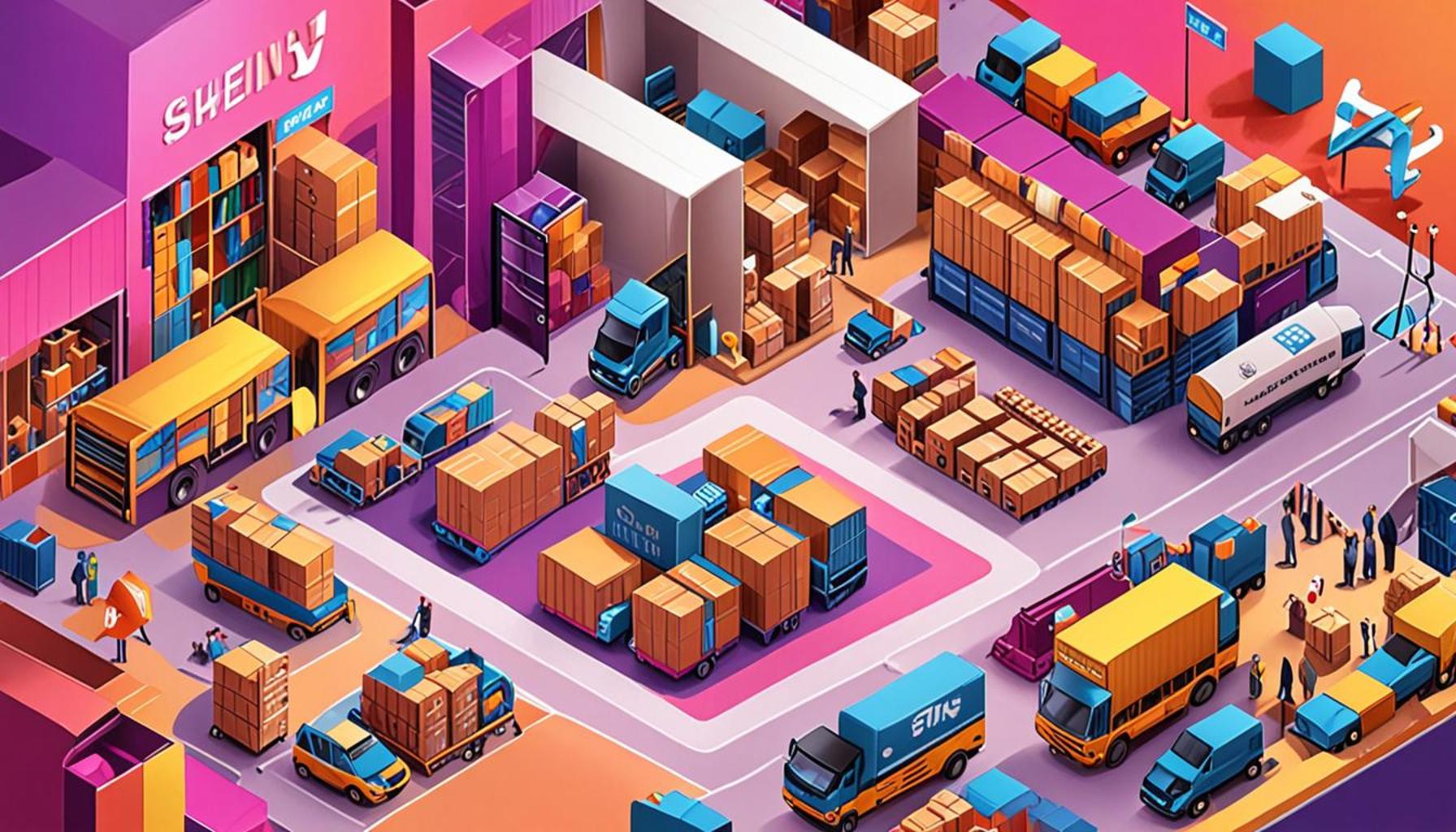
The integration of emerging technologies in Shein’s e-commerce operations

Unlocking the Future of Online Fashion Retail
The world of e-commerce is rapidly evolving, and few companies embody this transformation like Shein. With a keen focus on emerging technologies, Shein is redefining how fashion is sold online, catering to a tech-savvy consumer base hungry for innovation.
At the heart of Shein’s operations are several key technological integrations that set it apart in the saturated market of online fashion retail. One of the most significant is Artificial Intelligence (AI). This technology enhances the customer experience by analyzing shopping behaviors and preferences to deliver personalized recommendations. For example, when a user browses a specific category, Shein’s AI employs algorithms that suggest similar items or trending pieces based on what others with similar preferences have purchased. This not only increases customer satisfaction but also boosts sales conversion rates as shoppers feel more understood and catered to.
Another critical component is Data Analytics. By leveraging big data, Shein can predict fashion trends with remarkable accuracy. The company employs complex analytics to sift through vast amounts of data collected from user interactions, seasonal patterns, and social media trends. This enables Shein to optimize its inventory, quickly adapting to changing consumer demands and reducing instances of overstock. For instance, during a sudden rise in popularity for a particular style observed on platforms like TikTok, Shein can rapidly adjust its production and marketing strategies to capitalize on the trend, ensuring that popular items are always available to consumers.
Integral to enhancing the shopping experience is the use of Augmented Reality (AR). This cutting-edge technology allows customers to virtually try on clothes, shoes, and accessories before making a purchase. By utilizing AR features in its mobile app, Shein bridges the gap between physical and digital shopping, reducing the uncertainty that often accompanies online clothing purchases. This not only enhances customer confidence but also minimizes return rates, as consumers can make more informed choices based on how items appear on them in real-time.
These strategies not only streamline operations but also create a more engaging shopping environment. As Shein continues to push the boundaries of technology integration, its approach raises important questions about the future landscape of e-commerce. Will other retailers follow suit, and how might consumer expectations evolve in response to such innovations?
In this article, we will delve deeper into how Shein’s adoption of emerging technologies is shaping its e-commerce framework and the implications for both consumers and competitors alike. The integration of these technologies showcases a roadmap for success in an increasingly digital retail world. With consumer preferences continually shifting towards more personalized and seamless shopping experiences, it will be fascinating to observe how market dynamics evolve and which strategies ultimately prove to be the most effective in this thrilling digital era.
DISCOVER MORE: Click here to learn how Shein boosts its social media engagement</
Revolutionizing Retail: Harnessing Technologies for Success
As Shein continues to dominate the online fashion landscape, its strategic integration of emerging technologies becomes pivotal in driving both growth and customer loyalty. Beyond AI, data analytics, and augmented reality, several other innovative tools are shaping the platform’s approach and enhancing how consumers interact with fashion shopping online.
One of the most notable technologies making waves in Shein’s operations is Machine Learning (ML). While closely aligned with AI, ML focuses specifically on teaching algorithms to learn from and adapt to new data. For Shein, this means accurately predicting what styles will resonate with customers based on past purchasing behaviors and trends. As a result, Shein can not only stock items likely to sell well but also tailor marketing efforts to amplify interest in new releases. This refined targeting is particularly effective for younger shoppers who remain influential in setting fashion trends.
Moreover, Shein’s commitment to Mobile Optimization underscores the brand’s understanding of consumer preferences. With a growing number of shoppers accessing retail platforms via smartphones, Shein has designed its mobile app to be user-friendly, visually engaging, and efficient. Features such as streamlined checkout processes and visually appealing layouts entice users to spend more time exploring products. The brand’s mobile-first approach also allows for seamless integration of push notifications, keeping consumers informed of sales or new arrivals that might pique their interest.
Social media integration represents another frontier that Shein is exploring. The company understands that the digital landscape is increasingly social, and thus, it taps into platforms like Instagram and TikTok to reach its audience. By employing shoppable posts and collaborating with influencers, Shein effectively brings products directly to where potential customers spend their time. This fusion of community and commerce makes purchasing more spontaneous and engaging, as users can directly buy items showcased in their feeds.
- AI-driven personalized recommendations enhance user experience and satisfaction.
- Data analytics enable rapid trend prediction and inventory management.
- Augmented reality transforms the way customers interact with products online.
- Machine learning optimizes marketing strategies and stocking decisions.
- Mobile optimization caters to the needs of on-the-go consumers.
- Social media integration allows for spontaneity in purchase decisions.
With these comprehensive technological integrations, Shein not only simplifies the shopping experience but also compels competitors to rethink their strategies. The shift towards a more interactive, data-driven retail landscape fosters an environment where innovation is crucial for survival. As Shein pushes forward, it remains to be seen how these advancements will challenge traditional retail models and influence consumer expectations at large.
The implications of Shein’s technological initiatives extend beyond immediate sales boosts; they pave the way for new standards in customer engagement and inventory management in the fashion industry. Exploring the depths of Shein’s integration of emerging technologies offers valuable insights into how retail will evolve in the coming years, highlighting the necessity for both adaptability and foresight in an increasingly digitized marketplace.
As the world of e-commerce continues to evolve, Shein has emerged as a prime example of how innovative technologies can be seamlessly integrated to enhance customer experience and operational efficiency. One significant transformation is the use of artificial intelligence (AI) in analyzing consumer behavior. AI algorithms can predict trends and personalize shopping experiences, ensuring that customers see items that truly interest them. This level of customization not only boosts customer satisfaction but also increases conversion rates.
Furthermore, the use of Augmented Reality (AR) in Shein’s app allows customers to visualize how clothing will look on them without the need for physical trials. This technology has reduced return rates significantly, a common challenge in the online fashion industry. By letting users experience the products virtually, Shein is not only enhancing the shopping experience but also promoting sustainability by minimizing waste.
Just as important is the implementation of blockchain technology, which fosters improved transparency within supply chains. By using blockchain, Shein can provide customers with detailed information about the origins of their purchases, helping to build trust and promote ethical shopping. This transparency is becoming increasingly crucial as consumers seek brands that align with their values.
| Category | Advantages |
|---|---|
| Artificial Intelligence | Predicts trends and personalizes user experience |
| Augmented Reality | Reduces return rates and enhances virtual fitting |
| Blockchain Technology | Enhances transparency and builds consumer trust |
In addition to these technologies, Shein’s use of advanced logistics powered by big data analytics ensures that stocks are efficiently managed, aligning supply with demand. This not only streamlines the operational framework but also means quicker delivery times for customers, setting Shein apart in the competitive e-commerce landscape.
With these technological integrations, Shein is not merely adapting to the digital age; it is actively shaping the future of e-commerce, making it imperative for other retailers to take note and innovate.
DON’T MISS: Click here to discover how to get clothes from Shein quickly and easily
Streamlining Operations: Logistics and Supply Chain Innovations
In addition to enhancing customer experiences, Shein’s embrace of emerging technologies significantly optimizes its logistics and supply chain operations—one of the linchpins of its rapid growth. The brand’s approach is rooted in real-time data tracking and automation, ensuring that products reach customers efficiently while minimizing costs. By using advanced inventory management software, Shein can monitor stock levels in real time, allowing for quick adjustments to production schedules based on demand fluctuations.
At the heart of this operational model is Shein’s commitment to adopting Blockchain Technology. This technology provides a transparent ledger of transactions, offering both customers and suppliers insights into product journeys from factory to consumer. Such transparency not only builds consumer trust but also helps ensure ethical sourcing practices. In a marketplace increasingly driven by conscious consumerism, Shein’s blockchain approach sets it apart and aligns with growing demands for sustainability in fashion.
Moreover, Shein is leveraging Robotic Process Automation (RPA) within its warehousing operations. Automated systems can parse through extensive data to expedite sorting and fulfillment processes, drastically reducing delivery times. In the fast-paced world of online retail, faster shipping is no longer a competitive edge; it is a consumer expectation. This technology allows Shein to meet demand with agility while minimizing human error and operational delays.
Further enhancing logistics is Shein’s deployment of Artificial Intelligence (AI) for route optimization in delivery. By analyzing geographical data, traffic patterns, and order volumes, Shein can deliver products more efficiently, consequently reducing its carbon footprint. This not only bolsters the brand’s reputation as a forward-thinking retailer but also appeals to the environmentally conscious consumer.
In addition to these technological undertakings, Shein is also investing in Customer Relationship Management (CRM) systems that capitalize on data-driven insights to personalize marketing strategies. Effective CRM tools enable Shein to segment its customer base and customize interactions based on preferences and purchase history. This hyper-personalized approach leads to increased customer retention and elevated brand loyalty, as consumers feel more understood and valued.
- Real-time data tracking helps in managing inventory effectively and responding to consumer demands.
- Blockchain technology enhances transparency and trust in sourcing practices.
- Robotic Process Automation (RPA) streamlines warehousing operations and improves fulfillment speed.
- AI-driven route optimization enhances delivery efficiency and reduces environmental impact.
- Customer Relationship Management (CRM) systems allow for tailored marketing approaches that resonate with individual customers.
As Shein continues to refine its logistics and supply chain operations through these technologies, its ability to adapt quickly to market changes becomes a notable advantage. This focus on operational excellence ensures that not only is customer satisfaction achieved, but the broader goals of efficiency and sustainability are met as well. By redefining how e-commerce can effectively utilize advanced technology in its operations, Shein is poised to maintain its status as a leader while setting new industry standards for both customer engagement and operational success.
DISCOVER MORE: Click here to dive deeper
Conclusion: The Future of E-Commerce with Shein
The integration of emerging technologies in Shein’s e-commerce operations represents a transformative leap not just for the brand but the entire retail landscape. Through the utilization of real-time data tracking, Shein enhances inventory management, allows for swift adjustments to production, and increases customer satisfaction. Embracing Blockchain Technology fosters transparency and accountability—values that resonate strongly in a market where consumers increasingly prioritize ethical considerations.
Automation through Robotic Process Automation (RPA) and Artificial Intelligence (AI) not only expedites logistics and fulfillment but also positions Shein as an industry innovator, capable of meeting consumer expectations for faster and more reliable service. These technologies culminate in a streamlined supply chain that promotes efficiency while supporting sustainable practices, such as reducing carbon footprints during delivery.
Moreover, the strategic investment in Customer Relationship Management (CRM) systems enables Shein to personalize customer interactions, thereby boosting loyalty and engagement. As the brand leverages data-driven insights to refine its marketing strategies, it cultivates a deeper connection with consumers, enhancing their overall shopping experience.
In summary, Shein’s proactive adoption of cutting-edge technologies underscores a paradigm shift in e-commerce operations. As the retail environment continues to evolve, Shein not only meets the challenges of today but also sets the groundwork for the future—one that prioritizes innovation, sustainability, and customer-centric approaches. The journey has just begun, and those intrigued by the intersection of technology and retail will want to keep a close eye on Shein’s progress.

Linda Carter
Linda Carter is a writer and expert known for producing clear, engaging, and easy-to-understand content. With solid experience guiding people in achieving their goals, she shares valuable insights and practical guidance. Her mission is to support readers in making informed choices and achieving significant progress.