The Influence of Fast Fashion Trends on Young Consumers’ Purchase Decisions
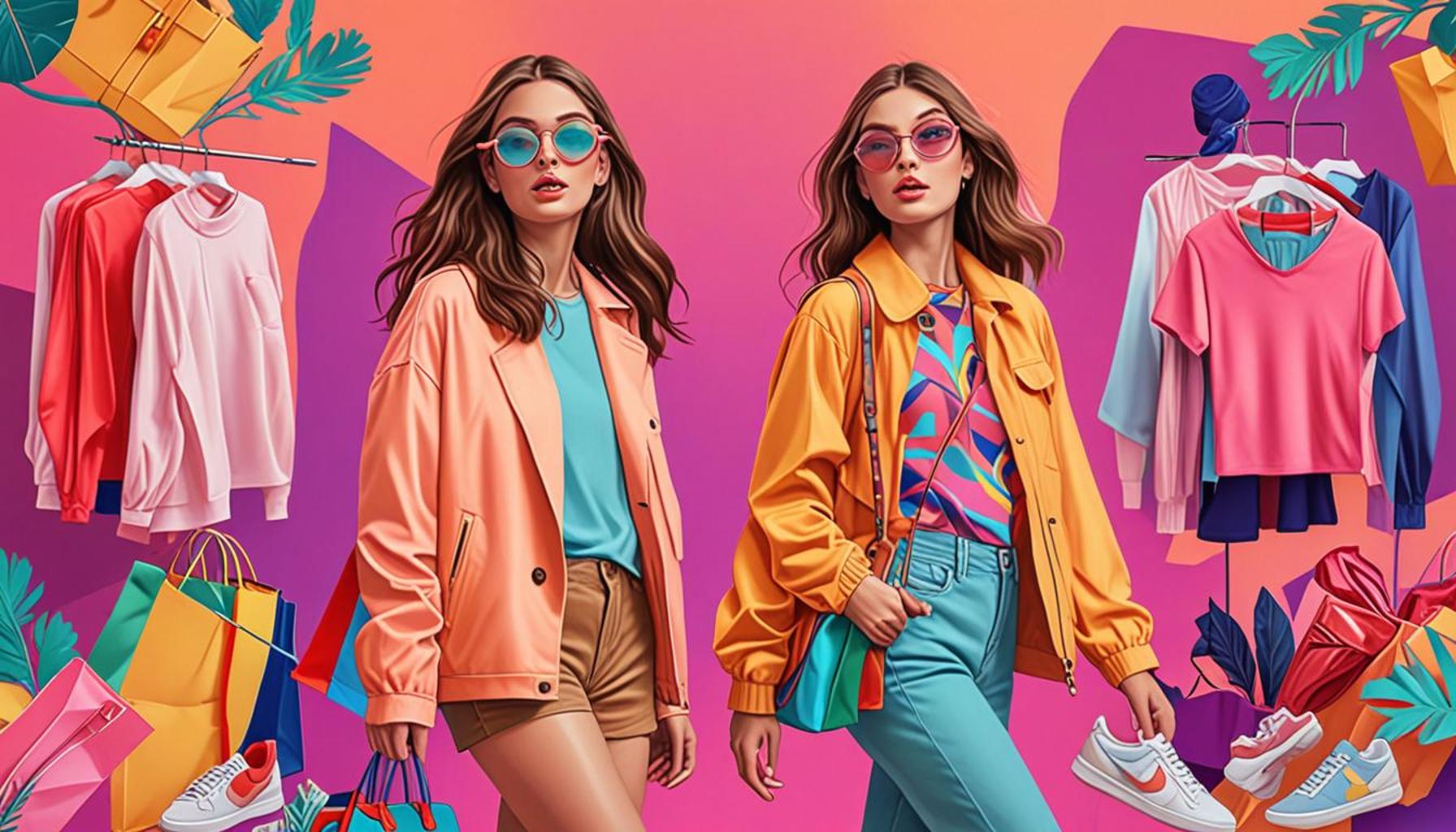
Fast Fashion: The New Era of Clothing Consumption
Fast fashion has dramatically reshaped the landscape of the clothing industry, fundamentally altering how apparel is produced, advertised, and consumed. Particularly among younger buyers, brands that epitomize fast fashion provide an exciting array of trendy options at affordable prices, rapidly cycling through styles in response to shifting consumer demands. The overwhelming influence of this trend raises questions about how it shapes the purchasing decisions of the youth demographic.
Research shows that social media platforms like Instagram and TikTok are pivotal in shaping the shopping habits of young consumers. Approximately 60% of Gen Z shoppers report that their buying choices stem from the latest styles showcased online, showcasing the profound impact of digital marketing. This is particularly evident in the phenomenon of viral “haul” videos, where influencers showcase numerous outfits in a single post, tempting viewers to replicate their wardrobe choices.
- Accessibility: Online shopping has never been more convenient, with just a couple of clicks required to obtain the latest styles. Popular fast fashion retailers like Shein, Zara, and H&M have capitalized on this trend, often offering flash sales and promotions that create a sense of urgency.
- Peer Pressure: In a world where social validation is often sought through apps and platforms, the desire to be part of the latest trend can influence young consumers to purchase items impulsively. Wearing the latest fashion not only cultivates a sense of belonging but also boosts self-esteem, making them more likely to engage in frequent buying.
- Brand Loyalty: The emotional connection that young shoppers develop with fast fashion brands is significant. Through targeted marketing strategies that emphasize relatability and inclusivity, brands can cultivate strong brand loyalty. For instance, collaborations with popular celebrities or influencers can effectively enhance brand visibility and create a loyal customer base.
As this article delves into the intricate dynamics of fast fashion, it aims to uncover the driving forces behind young consumers’ purchasing decisions. By dissecting the myriad influences on their buying behaviors, we can better understand how fast fashion is not just a retail phenomenon, but a key factor in shaping consumer identity and cultural trends within society.
Moreover, the implications extend beyond individual choices, impacting local economies, global trade, and ethical considerations around sustainable fashion. With increasing awareness surrounding environmental and social issues, young consumers are also beginning to question the long-term impact of their shopping habits. This evolving narrative presents an opportunity for dialogue about sustainability and responsible consumption in fashion.
DISCOVER MORE: Click here for savvy shopping tips
The Role of Digital Marketing in Fast Fashion
In the realm of fast fashion, digital marketing has emerged as a critical player influencing the purchasing decisions of young consumers. As the vast majority of this demographic are digital natives, their exposure to marketing comes primarily through various online platforms. With social media channels acting as the modern storefronts, brands are more equipped than ever to reach potential customers right where they spend most of their time. A recent study indicates that over 70% of young consumers follow fashion influencers on Instagram or TikTok, highlighting just how effectively these platforms can drive traffic to fast fashion sites.
Beyond just exposure, the type of content shared by influencers resonates deeply with young shoppers. Content is tailored to reflect their lifestyles and mini lifestyle aspirations, essentially crafting a narrative that promotes specific items within a broader social context. 87% of Gen Z shoppers have expressed that influencer recommendations heavily affect their buying decisions, showcasing an interesting shift towards platforms amplifying consumer behaviors. This reliance on influencers has fostered a culture of immediacy and FOMO (Fear of Missing Out), as young buyers feel compelled to make purchases quickly to align with the latest styles or trends showcased online.
Additionally, the functional design of social media platforms enables swift decision-making. Features such as direct links to buy products immediately or the ability to link fashion content to in-stock items on retailer websites facilitate a seamless shopping experience. Young consumers can find inspiration and purchase items in a matter of minutes, presenting an irresistible convenience that conventional shopping methods struggle to compete with. Some critical factors driving fast fashion purchases through digital marketing include:
- Instant Gratification: The speed with which fast fashion brands can deliver trending items to consumers fosters an environment where buyers feel they need to act quickly to obtain the latest products.
- Visual Appeal: Engaging graphics, carefully curated aesthetics, and striking visuals are significant drivers for purchase decisions. Young consumers are more inclined to buy products that resonate with their personal aesthetics, with visuals playing a pivotal role in fostering that connection.
- Exclusivity and Scarcity: Flash sales and limited-time offers create a sense of urgency among young shoppers. The fear of missing out on ‘exclusive’ pieces encourages impulsive buying behavior, ensuring that items quickly fly off the shelves.
While the significance of digital marketing cannot be overstated, it is essential to recognize that these platforms also contribute to the culture of disposability inherent in fast fashion. As trends shift rapidly, young consumers often find themselves caught in a cycle of purchasing, discarding, and repurchasing, leading to questions about the sustainability of their consumption patterns.
As we explore further, it is crucial to examine how these digital influences blend with personal expectations, peer dynamics, and the evolving landscape of fashion ethics, guiding young consumers not only toward immediate purchase gratification but also toward a broader reflection on the ramifications of their shopping habits.
| Category | Description |
|---|---|
| Trend Accessibility | Fast fashion brands make the latest styles available at low prices, which attracts young consumers keen to stay trendy. |
| Social Media Influence | Platforms like Instagram and TikTok amplify fast fashion trends, creating an urgent need among young shoppers to keep up with peers and influencers. |
| Sustainability Concerns | Despite environmental impacts, young consumers often overlook sustainability in favor of new trends, leading to support for brands with short life cycles. |
| Impulse Buying | The ever-changing nature of fast fashion encourages impulsive purchases, often driven by limited-time sales and promotional marketing. |
The phenomenon of fast fashion dramatically reshapes the purchasing behavior of young consumers, a demographic that values rapid style change and social validation over traditional purchasing ideologies. With the ubiquity of online shopping and social media, young consumers find it easy to access vast arrays of trendy clothing items. Moreover, the rise of influencer marketing plays a critical role in driving brand loyalty and preferences, where social media presence often dictates product desirability. In navigating this landscape, it’s important to consider the implications of impulsive buying behaviors that arise from marketing tactics that promote urgency and limited availability. As young shoppers face the confluence of peer influence and affordability, their decisions may prioritize trendiness over sustainability, indicating a complex relationship between consumer habits and ethical consumption.
DIVE DEEPER: Click here for the complete shipping guide
Peer Dynamics and Social Influence
As the fast fashion phenomenon continues to expand, it is vital to examine the role of peer dynamics in shaping the purchase decisions of young consumers. In a world increasingly connected by technology, the desire for acceptance and social currency often drives buying behaviors. Many young individuals equate their worth and style identity with their ability to adopt the latest trends, which are often showcased by their friends or peers.
Research shows that approximately 60% of young shoppers are influenced by their friends’ fashion choices, further emphasizing the social aspect of these purchasing decisions. Young consumers often seek validation from their social circles, leading to a culture where dressing similarly to one’s peers becomes a means of belonging. Social media acts as a magnifier of this effect, where outfits are not just personal statements but also public performances dissected by followers and friends alike.
This peer influence is further enhanced by the concept of social proof. When young consumers observe that their circle embraces specific fast fashion items, they may feel pressured to conform. This need to align with others can lead to impulsive buying, particularly when brands capitalize on this dynamic through exclusive collaborations or limited editions that generate buzz. Research from the University of Southern California shows that consumers often internalize societal pressures to buy certain items, with 72% reporting that they purchased items to fit in with their peers.
The Impact of Online Communities
In addition to direct peer influence, online communities play a significant role in shaping trends among young consumers. Platforms like Reddit, TikTok, and fashion-focused Facebook groups allow users to share experiences, recommend products, and discuss current trends in real-time. This democratization of fashion knowledge creates a sense of immediacy where the latest styles can proliferate rapidly. Over 50% of young consumers report that they turn to these platforms for inspiration before making purchases, indicating a shift away from traditional fashion media to communal and interactive sources of trendsetting.
Young consumers are also more likely to participate in the global conversation around fashion, responding to trends not just locally but with a keen sense of what is happening worldwide. This interconnectedness allows for the rapid spread of ideas and styles, making the fashion landscape more volatile than ever. Products can arise as trending within specific online communities, promote virally, and then become instant demands, either leading to high sales volumes or overwhelming stock collapses due to the hyper-competitive nature of fast fashion.
Merging of Personal Values and Fashion Ethics
Amid this excitement, there is an emerging awareness among young shoppers regarding the ethical implications of fast fashion, which increasingly complicates their purchasing decisions. Many individuals in this demographic are becoming conscious of sustainability, labor practices, and the environmental consequences of their purchases. A survey conducted in late 2022 revealed that nearly 66% of Gen Z respondents would prefer to buy from brands that align with their values, especially those promoting sustainable practices.
This conflict creates a dichotomy where young consumers are torn between the desire for trendy, affordable pieces and the moral implications of supporting an industry notorious for its lack of sustainability. The consequence of this internal struggle often leads to increased scrutiny of brands, with young consumers seeking transparency about sourcing, production methods, and corporate social responsibility initiatives.
The influence of fast fashion on young consumers is thus multifaceted, intricately linking digital marketing tactics, peer dynamics, and personal values, shaping a complex framework that governs their purchasing decisions. As these variables continue to evolve and intertwine, the fashion landscape may witness significant shifts as young consumers navigate not just what they wear, but the implications of those choices on a global scale.
DISCOVER MORE: Click here for savvy shopping tips
Conclusion
In conclusion, the influence of fast fashion trends on young consumers’ purchase decisions is a complex interplay of social dynamics, technological advancements, and evolving personal values. As demonstrated, peer dynamics significantly shape buying behavior, with a substantial 60% of young shoppers being swayed by their peers’ fashion choices. Furthermore, the role of online communities and social media cannot be underestimated, with over 50% of this demographic turning to these platforms for inspiration, thereby accelerating the spread of fashion trends across borders.
However, the fast fashion industry’s rapid pace raises ethical concerns that are increasingly top of mind for this consumer group. The findings indicate that a notable 66% of Gen Z consumers are actively seeking brands that align with their values, prioritizing sustainability and ethical practices in their purchasing decisions. This growing consciousness among young shoppers suggests a potential shift in the industry, pushing brands to reassess their practices in response to an informed consumer base.
As the fast fashion landscape evolves, so too will the motivations and preferences of young consumers. It is crucial for brands to navigate this dynamic effectively, recognizing the multifaceted pressures driving purchase decisions while adapting to the demands for transparency and sustainability. The outcomes of these changing trends indicate that the future of fast fashion may not only redefine what consumers wear but could also reshape the industry’s very foundation in alignment with the moral compass of the next generation. It is an exciting yet challenging time for both consumers and brands, prompting further exploration and dialogue regarding the future of fashion.

Linda Carter
Linda Carter is a writer and expert known for producing clear, engaging, and easy-to-understand content. With solid experience guiding people in achieving their goals, she shares valuable insights and practical guidance. Her mission is to support readers in making informed choices and achieving significant progress.